I’ve revised the October newsletter since it first appeared. Here is the new version.
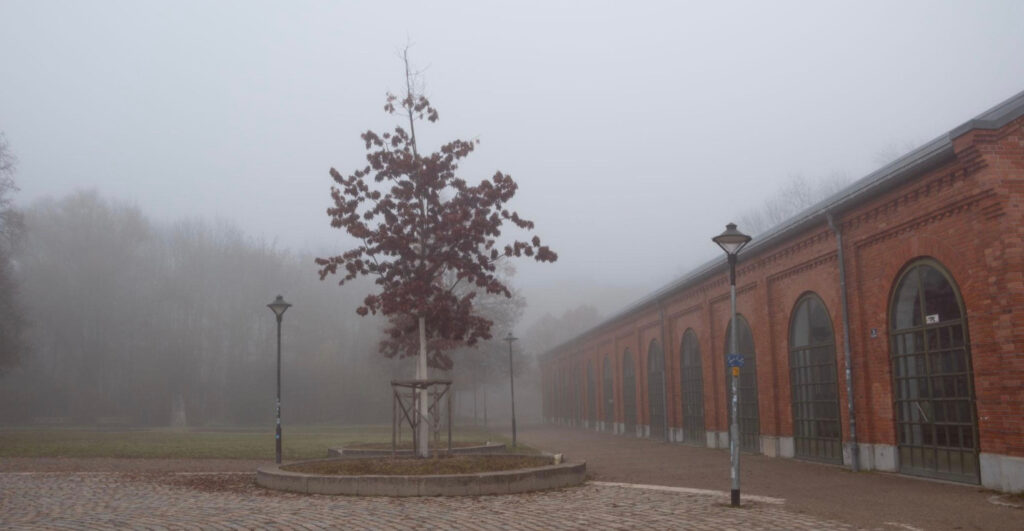
The fog descended from the arcade, fretted the windows, turned around and went to the pine and poplar trees…
The House of Edrisis
Ghazaleh Alizadeh
translated by Rosa Jamali
This month, I want to tell you about a translation that stopped me in my tracks. I lingered over it, not because I would have translated every phrase the same way, but because it made me look closely at what the translator was doing. Of all the ways she could have rendered those words, she chose the ones on the page.
Then, almost without thinking, I asked AI. The answer didn’t surprise me. It arrived within seconds, concise and to the point, every word landing exactly where it should.
It was perfect, and I felt nothing. I looked up from the screen, and the room seemed to be holding its breath. It was as if a ghost were standing where the translator should have been.
Rosa Jamali’s rendition has a heartbeat. I felt that the fog was alive and had a purpose. Of course it was just several words put together, but she had chosen them. Her translation invited you to follow the fog to see where it led. AI, on the other hand, hadn’t chosen its words. It had produced them. I could have swapped almost any of its words for a synonym and nothing would have changed. I returned to Jamali’s translation, longing to see where the fog wanted to take me.
Then I asked myself: Should I feed more of the original to the AI and see what happens? Or should I resist the temptation to invite the ghost back into the room? Something was missing, and I couldn’t say what. I kept wondering what I traded for those few seconds.
Thank you for reading In Context.
Next issue: November 2026