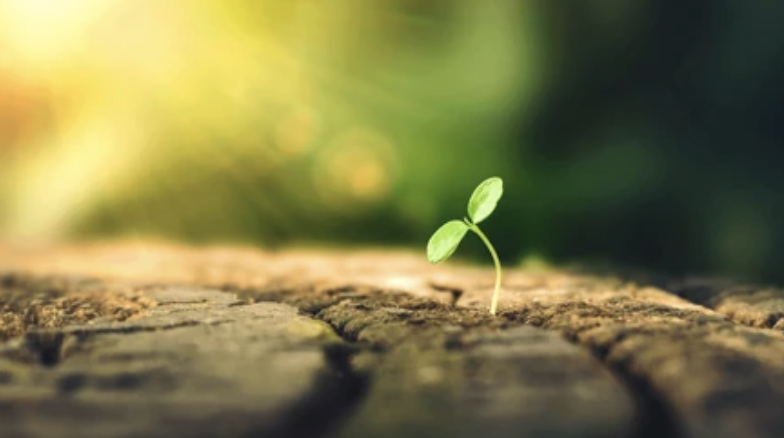
Norouz 2026—marking the year 1405 in the Persian calendar—carries a special meaning. This year for Iranians, Norouz is more than the arrival of spring; it is a turning point, a moment to close one chapter and begin another. Its very name, Norouz, means “new day,” a reminder of renewal, resilience, and hope.
Traditionally, Norouz is one of the world’s oldest continuously celebrated holidays. Its roots reach back over three millennia to ancient Iran, where it was closely connected to Zoroastrian beliefs and the celebration of the vernal equinox—the moment when nature awakens and light overtakes darkness. Historical evidence suggests that Norouz was celebrated during the Achaemenid Empire (c. 550–330 BCE), when representatives from across the empire gathered at Persepolis to present gifts and mark the new year.
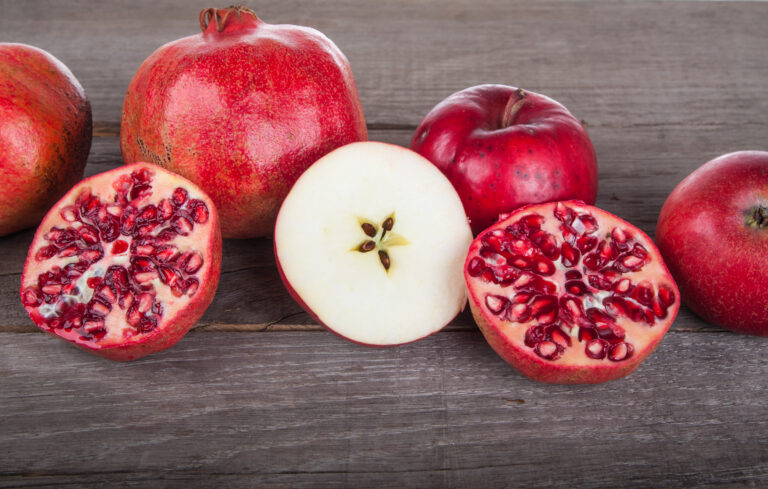
The spirit of Norouz lives on through cherished traditions. Festivities begin with Chaharshanbe Suri, on the eve of the last Wednesday of the year, when people light bonfires and leap over the flames, symbolically leaving behind hardship and welcoming health and warmth. Homes are carefully cleaned in a ritual of renewal, and families prepare the Haft-Seen table, arranging seven symbolic items that begin with the Persian letter “S,” each representing life, growth, and prosperity.
At the moment of the equinox, families gather around the Haft-Seen, wearing new clothes, exchanging gifts, and sharing sweets, fruit, and tea. The celebrations continue with visits to relatives and friends and conclude on the thirteenth day, Sizdah Bedar, when families spend the day outdoors, enjoying nature with games, music, and laughter.
This year, however, the spirit of celebration is tempered by sorrow. Many Iranians are mourning losses, and communities around the world stand in solidarity with those affected. Iran has endured one of the most difficult periods in its recent history.
And yet, the essence of Norouz remains unchanged. It is a quiet but powerful reminder that renewal follows hardship. On March 20, at the exact moment of the spring equinox, Iranians around the world will once again gather at their Haft-Seen tables—honoring tradition, remembering what has been lost, and welcoming the new year with resilience and renewed hope.